Suicide Prevention for Clinicians: Clinical Counseling on Access to Lethal Means (CALM) & Extreme Risk Protection Orders (ERPO)
Thursday, November 5, 2026
8:30 AM - 1:00 PM
Online via Zoom
Don’t miss out—register early! Space is limited to 24 participants.
Cost: $150
Group/Agency Flat Rate: Want to schedule this training for an agency or group? $1,500 total for groups up to 10–24 participants. Contact Elizabeth Harstad for more information.
Earn 4 CEUs!
- This training has been approved for 4 CEU's including 3 hours of Ethics by the Minnesota Board of Social Work, Minnesota Board of Marriage & Family Therapy, and the National Board of Certified Counselors (NBCC).
- Counseling and Student Personnel has been approved by NBCC as an Approved Continuing Education Provider, ACEP No. 4558.
In addition to the core CALM content, this workshop will include an overview of Extreme Risk Protection Orders (ERPOs), an important legal tool that may temporarily restrict access to firearms during high-risk situations.
Presenters:
- Darcie Davis Gage, PhD, LMHC, Certified Trainer through CALM America
- Samantha Hoyt, MN Dept. of Public Safety Office of Justice, Certified Trainer through CALM America
Intended Audience:
The primary intended audience includes mental health clinicians, primary care providers, substance use disorder counselors, mental health hotline responders, and crisis intervention services.
Learning Objectives:
By the end of this training, participants will be able to:
- Explain the evidence-based connection between reducing access to lethal means and preventing suicide.
- Identify and describe safe and effective storage solutions for firearms and potentially dangerous quantities of medications.
- Initiate and navigate compassionate, collaborative conversations about safety planning and lethal means safety with individuals at risk for suicide and their families.
- Apply lethal means safety counseling techniques through case discussions and practice scenarios.
- Explain the legal framework for civil gun removal petitions and identify appropriate clinical and procedural steps related to filing, enforcement, and coordination to help prevent firearm-related harm.
Meet Your Presenters:
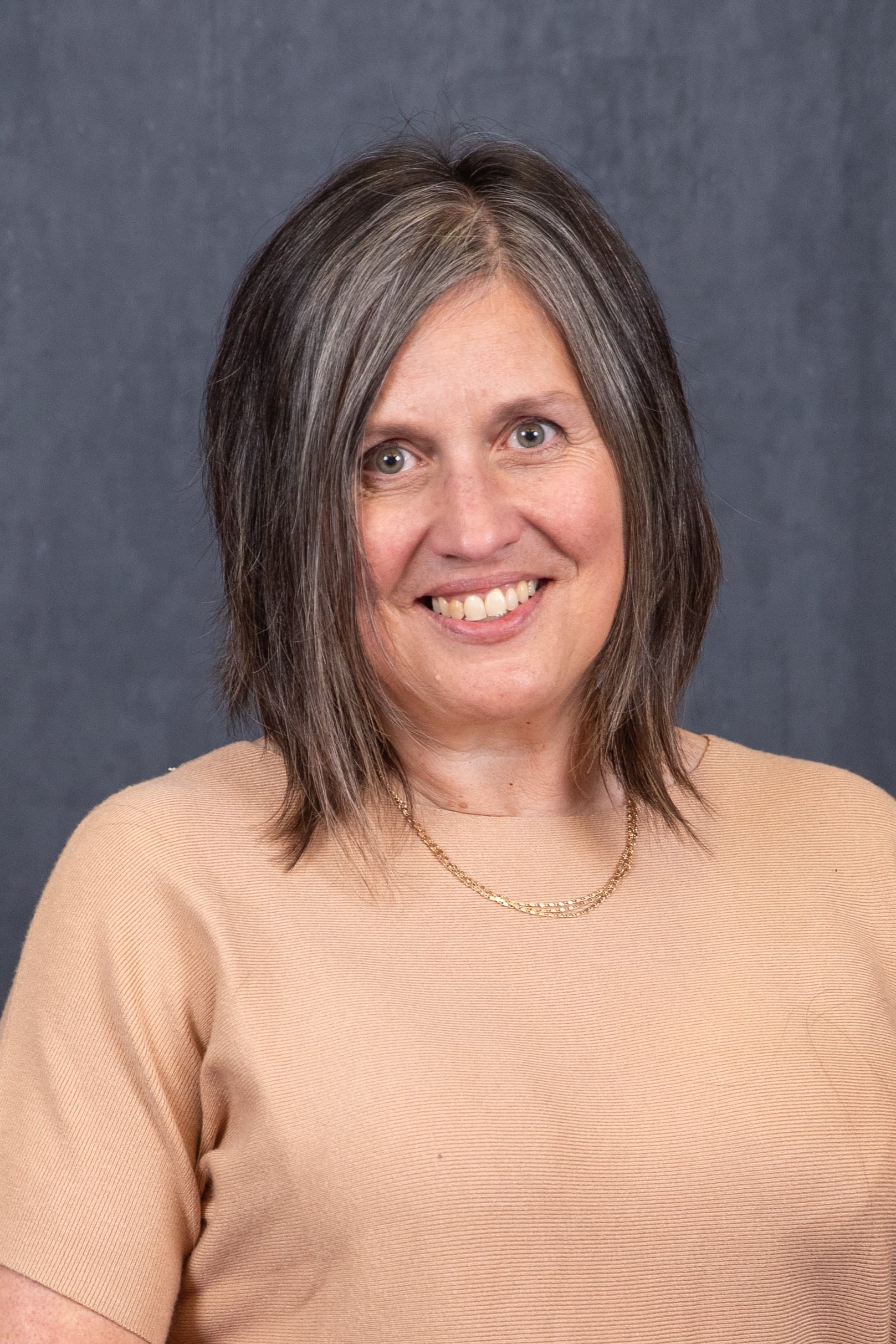
Darcie Davis-Gage, PhD, LMHC, is a professor in the Department of Counseling and Student Personnel and director of the Blue Cross® and Blue Shield® of Minnesota Center for Rural Behavioral Health at Minnesota State University, Mankato. A counselor educator, licensed mental health counselor, researcher, and organizational leader, she is dedicated to strengthening behavioral health services and improving access to care in rural communities. Her work focuses on rural-informed practice, behavioral health workforce development, integrated care, occupational stress, and community-based interventions. Dr. Davis-Gage also brings expertise in expressive arts therapy, first-responder wellness, compassion fatigue, secondary trauma, and organizational resilience.
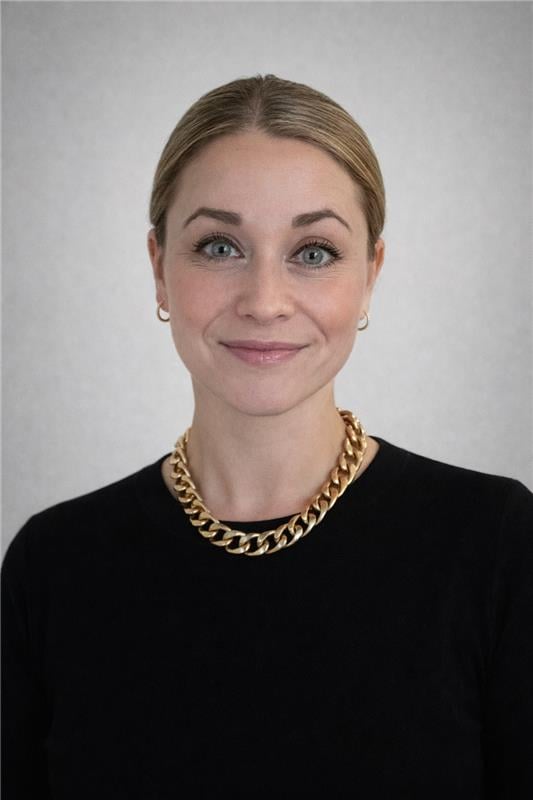
Samantha Hoyt brings nearly two decades of frontline crisis response and violence-prevention experience to her role as Minnesota’s Statewide ERPO Implementation Coordinator. After 18 years with the Brooklyn Park Police Department—where she served in the Community Health Unit and on the Crisis Negotiation Team—Sam developed deep expertise in behavioral health response, threat assessment, and ERPO petitioning. Today, she leads Minnesota’s statewide efforts to implement the ERPO law, building best practices, training systems, and cross-agency partnerships that support safer outcomes for individuals and communities. She holds a master’s degree in Forensic Behavioral Health and is dedicated to practical, collaborative strategies that reduce harm and strengthen community well-being.
Registration Questions: Email workforce@mnsu.edu or call 507-389-1094
Training Questions: Email elizabeth.harstad.3@mnsu.edu
Center for Workforce Professional Education
workforce@mnsu.edu