
Rural-Informed Behavioral Health Series – Spring 2026
Thursday, February 12, 2026
9:00 AM - 4:00 PM
Three-Session Series | Dates/Times: February 12 (9am-4pm), March 5 (9am-12pm), April 14 (9am-4pm) | Online via Zoom
Series Summary:
February 12, 2026 | 9:00 am – 4:00 pm
Session II: Rural-Informed Behavioral Health Ethics
March 5, 2026 | 9:00 am – 12:00 pm
Session III: Rural-Informed Behavioral Health Supervision
April 14, 2026 | 9:00 am – 4:00 pm
This training has been approved for 15 CEUs by the Minnesota boards of Social Work, Marriage and Family Therapy, Behavioral Health and Therapy, and Psychology as well as licensing boards in SD, ND, and WI.
Session I:
February 12, 2026 | 9:00 am – 4:00 pm | Online via Zoom
Rural-Informed Behavioral Health Interventions
This training provides practitioners with a comprehensive foundation in rural-informed clinical practice, emphasizing the cultural, structural, and relational factors that distinguish rural service delivery from traditional urban- or suburban-based models. Participants will learn how to implement context-specific, culturally responsive interventions that reflect the unique strengths, stressors, and social dynamics of rural communities. The program focuses on adapting evidence-based treatments to address common rural challenges—such as limited accessibility, concerns around confidentiality, community interdependence, and the persistence of stigma—while preserving treatment integrity. Through case-based application, learners will practice modifying interventions for rural individuals, families, and systems, navigating ethical complexities and resource constraints. The training also explores the pivotal role of informal support networks, including faith groups, multi-role professionals, and local leaders, in promoting client stabilization and collaborative care. Additionally, participants will develop competency in the safe and effective integration of telehealth and hybrid models to enhance access and continuity. By the end, attendees will create a plan for ongoing cultural attunement grounded in local engagement, reflective practice, and strategies for avoiding drift back to urban-centric assumptions.
Learning Objectives:
- Identify core components of rural-informed clinical practice and how they differ from traditional intervention models designed for urban or suburban settings.
- Apply culturally responsive and context-specific intervention strategies that address the unique stressors, strengths, and social dynamics present in rural communities.
- Demonstrate the ability to adapt evidence-based treatments to fit rural settings, including considerations related to accessibility, stigma, confidentiality, and community interdependence.
- Review common barriers to care in rural environments and modify intervention delivery to support continuity and effectiveness.
- Use case-based scenarios to practice tailoring interventions for rural individuals, families, and systems, highlighting ethical dilemmas and pragmatic resource constraints.
- Assess the role of informal support networks—such as faith communities, multi-role professionals, and local leaders—in treatment planning and client stabilization.
- Incorporate telehealth and hybrid service models effectively and safely in rural practice to improve access and maintain therapeutic connection. 8) Develop a plan for ongoing cultural attunement that includes local engagement, reflective practice, and monitoring for drift back to urban-centric assumptions.
Presenter:
Darcie Davis-Gage, PhD, LMHC
Dr. Darcie Davis-Gage is a licensed mental health counselor, counselor educator, and consultant with over 20 years of experience in behavioral health and is the Director of the Blue Cross and Blue Shield of Minnesota Center Rural Behavioral Health at Minnesota State University, Mankato. Her other leadership roles have included work as the Chair of Graduate Faculty and Program Coordinator of Counseling at University of Northern Iowa, and leadership roles in community and campus advisory boards and non-profit organizations. Dr. Davis-Gage actively collaborates in numerous interdisciplinary research and grant endeavors and frequently publishes and presents nationally and internationally on compassion fatigue, rural health and wellness, and occupational trauma. Dr. Davis-Gage founded the Tenacity Institute for First Responders in response to the rising mental health needs of volunteer first responders in rural communities. She also serves as the clinical consultant for Hero Haven, a non-profit agency providing support to rural volunteer firefighters and first responders. She remains clinically active and has completed numerous evidence-based treatment programs for treating trauma and post-traumatic stress.
CEUs: This training has been approved for 6 cultural responsiveness CEUs.
Session II:
March 5, 2026 | 9:00 am – 12:00 pm | Online via Zoom
Rural-Informed Behavioral Health Ethics
Rural, remote, and frontier geographic often create unique challenges regarding ethical practices across multiple systems. This training focuses on behavioral health care ethics from a rural-informed perspective. Participants will explore a variety of ethical issues and concerns that may be found in less populated areas.
Learning Objectives:
- Describe differences between values, morals, and ethics from a rural practice perspective.
- List at least 3 common ethical issues identified in rural social service practice that challenges service delivery.
- Identify 3 rural practice considerations that complicate rural practice from an ethical perspective.
- Demonstrate two or more ways to address common ethical dilemmas to rural practice
Presenter:
Paul Mackie, PhD, LISW
Dr. Paul Mackie is Professor of Social Work and Associate Director at the Blue Cross and Blue Shield of Minnesota Center for Rural Behavioral Health at Minnesota State University, Mankato. He earned his Bachelor's degree in Psychology and Economics from Northern Michigan University, an MSW from Washington University in St. Louis, and his PhD from the University of Denver. Dr. Mackie's research and scholarship focus on rural workforce development, rural ethics, and community development.
CEUs: This training has been approved for 3 ethics CEUs.
Session III:
April 14, 2026 | 9:00 am – 4:00 pm | Online via Zoom
Rural-Informed Behavioral Health Supervision
This training equips supervisors in rural behavioral health settings with the knowledge and skills to provide culturally responsive, ethical, and effective supervision. Participants will explore supervision practices that respect rural values, community relationships, and diverse cultural identities. The course examines major supervision models—developmental, discrimination, reflective, and integrative—highlighting their applicability within rural contexts.
Learning Objectives:
- Apply culturally responsive supervision practices that honor rural values, community relationships, and diverse cultural identities within rural contexts.
- Differentiate among key supervision models (e.g., developmental, discrimination, reflective, and integrative) and assess their fit for rural behavioral health practice.
- Demonstrate strategies to enhance supervisee self-efficacy and professional growth within the unique challenges of rural practice, including isolation, limited resources, and overlapping roles.
- Identify ethical challenges common to rural supervision, such as boundary management, confidentiality, and dual relationships, and apply decision-making strategies to address them effectively.
- Develop a personalized supervision plan that integrates ethical principles, cultural competence, and evidence-based supervision strategies for rural behavioral health settings.
Presenter:
Tracie Rutherford Self, PhD, LPCC-S, LMHC, ART-basic trained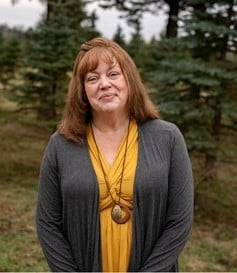
Dr. Tracie Rutherford Self is an Associate Professor in the Counseling and Student Personnel Department at Minnesota State University, Mankato. Dr. Rutherford Self’s primary areas of research interests include suicide, pedagogy, rural mental health, and sexuality. Dr. Rutherford Self has previously presented nationally, regionally, and at the state level as well as published on these topics. Dr. Rutherford Self has been in higher education for over 14 years, and has experience working in college counseling, teaching, and administration. She has taught courses at several colleges in undergraduate psychology and sociology departments, along with graduate courses at both the master’s and doctoral level in counseling. A teaching area of specialization for Dr. Rutherford Self is human sexuality in relational counseling.
CEUs: This training has been approved for 6 supervision CEUs.
Notes:
- All sessions will be recorded. If you are unable to attend a Zoom session, you will receive the recording of the session(s).
- Do you want to register for the Rural-Informed Behavioral Health Series as recorded sessions instead of Zoom sessions? Register for the recorded series and a link to view the recorded session will be emailed to you after the each training.
- Do you want to register for a single session instead of the three-session series? Register for each training session and choose the Zoom or recorded session. If choosing recorded session, a link to view the recorded session will be emailed to you after each training.
Registration Questions: Email workforce@mnsu.edu or call 507-389-1094
Training Questions: Email elizabeth.harstad.3@mnsu.edu
Center for Workforce Professional Education
workforce@mnsu.edu