
Clinical Training Day: A Closer Look at Sexuality and Men’s and Women’s Mental Health
Monday, July 13, 2026
9:00 AM - 4:00 PM
Online via Zoom
Join the Blue Cross® and Blue Shield® of Minnesota Center for Rural Behavioral Health for a 6-hour training featuring topics around sexuality and men’s and women’s mental health.
Cost: $99
This training is approved for 6 CEU's including 2 in ethics and 4 in cultural competence by the Minnesota boards of Social Work, Behavioral Health and Therapy, and Psychology. This training is approved for 6 CEU's including 1 in ethics and 4 in cultural competence by the Minnesota Board of Marriage and Family Therapy.
Morning Session One
9:00am - 10:00am
Talking About Sex: Ethical Challenges and Clinical Realities in Counseling
Becca Kall, EdD, LMFT
This training explores the complex and often under-addressed role of sexuality in clinical practice. Participants will review sexuality-related topics that commonly arise in counseling, including sexual behavior and practices, health and functioning, beliefs and values, trauma, and relational dynamics, and examine how these intersect with client well-being across diverse populations. The session will provide a brief overview of ethical considerations relevant to these topics, grounded in professional standards and ethical frameworks. Emphasis will be placed on bridging awareness, knowledge, and practice, equipping clinicians with practical skills to recognize, navigate, and respond to ethical dilemmas that emerge in conversations about sexuality.
Learning Objectives:
- Review key sexuality-related topics that impact clients in professional practice.
- Examine ethical considerations as they relate to sexuality in counseling.
- Develop practical skills for identifying, addressing, and managing ethical dilemmas that arise in discussions of sexuality.
Morning Session Two
10:15am - 12:15pm
Desire, Identity, and Change: Counseling Women Through Perimenopause and Menopause
Tracie Rutherford Self, PhD, LPCC-S, LMHC
This training prepares clinicians to ethically and effectively support women through perimenopause and menopause by exploring the intersection of hormonal changes, mental health, and relationship dynamics. Participants will learn to assess and differentiate common midlife sexual concerns using a biopsychosocial, trauma-informed lens, and develop skills for initiating culturally responsive conversations about sexuality. Practical, evidence-informed strategies will be provided to help clients improve sexual wellbeing and navigate midlife transitions effectively.
Learning Objectives:
- Conceptualize the interaction between hormonal changes, mental health, and relational dynamics in women experiencing perimenopause and menopause.
- Assess and differentiate common sexual concerns in midlife using a biopsychosocial and trauma-informed lens.
- Demonstrate effective, developmentally and culturally appropriate strategies for initiating conversations about sexuality in counseling settings.
- Apply practical, evidence-informed, culturally responsive interventions to support sexual wellness, identity, and relational functioning during menopausal transition.
Afternoon Session One
12:45pm - 2:15pm
Men’s Mental Health and Help-Seeking Behavior
Patrick Heath, PhD
This presentation will review the current research on men’s mental health and psychological help-seeking behavior. Within this context, the role of socialized masculine norms will also be discussed. Finally, the presentation will briefly review recent recommendations for psychological practice with boys and men.
Learning Objectives:
- Attendees will understand the current trends in men’s mental health and help-seeking.
- Attendees will be able to explain the link between socialized gender norms and men’s psychological health and help-seeking.
- Attendees will gain research-backed strategies that can be implemented in their therapeutic work with men.
Afternoon Session Two
2:30pm - 4:00pm
The Body Keeps the Score- Differently in Women: Trauma, the Body, and Women's Health
Jennifer Londgren, PhD, LMFT, NCC
This training explores how trauma and chronic stress uniquely affect women’s bodies, shaping hormonal balance, brain function, and immune responses. Participants will learn to recognize how these experiences commonly manifest in women’s health concerns—such as anxiety, chronic pain, fatigue, and reproductive challenges—and examine the connection between lived experience, stress, and physical health across the lifespan. The session also introduces practical, trauma-informed, and body-based strategies to support nervous system regulation, build resilience, and promote healing in women.
Learning Objectives:
- Explain how trauma and chronic stress uniquely impact women’s bodies, including hormonal, neurological, and immune system responses.
- Recognize common ways trauma shows up in women’s health concerns (e.g., anxiety, chronic pain, fatigue, reproductive health issues).
- Understand the connection between lived experience, stress, and physical health outcomes across the lifespan.
- Apply practical, body-based and trauma-informed strategies to support regulation, resilience, and healing in women.
Meet Your Trainers:

Dr. Becca Kall joined the Minnesota State University, Mankato Rural Behavioral Health Clinic made possible by Blue Cross and Blue Shield of Minnesota as Clinic Manager in August 2025. She has extensive experience as a clinician, consultant, supervisor, and administrator across both college and community-based mental health settings. She earned both her master's degree in clinical Mental Health Counseling and her doctorate in Counselor Education and Supervision from Minnesota State University, Mankato. Dr. Kall’s doctoral dissertation, “Predicting Mental Health Counseling Professionals’ Willingness to Discuss Sexuality Issues with Clients,” reflects her scholarly and professional interest in supporting clinicians’ competence and confidence in addressing complex and often sensitive topics in practice.

Dr. Tracie Rutherford Self is an Associate Professor in the Counseling and Student Personnel Department at Minnesota State University, Mankato. Dr. Rutherford Self’s primary areas of research interests include suicide, pedagogy, rural mental health, and sexuality. Dr. Rutherford Self has previously presented nationally, regionally, and at the state level as well as published on these topics. Dr. Rutherford Self has been in higher education for over 14 years, and has experience working in college counseling, teaching, and administration. She has taught courses at several colleges in undergraduate psychology and sociology departments, along with graduate courses at both the master’s and doctoral level in counseling. A teaching area of specialization for Dr. Rutherford Self is human sexuality in relational counseling.
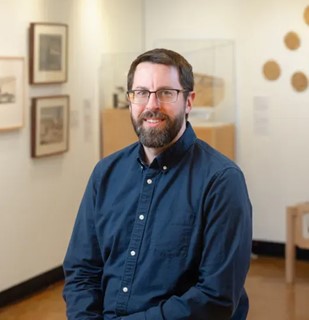
Dr. Patrick Heath is a Counseling Psychologist and Associate Professor of Psychological Science at Gustavus Adolphus College. Dr. Heath’s research focuses on help-seeking behavior broadly, with a specific focus on barriers to seeking help (e.g., stigma, socialized gender norms). More recently, Dr. Heath has also examined how positive psychological factors like self-compassion and self-affirmation could reduce the impact of stigma on negative mental health outcomes. Dr. Heath teaches a variety of classes at Gustavus, including Psychopathology, Positive Psychology, and Psychology of Self-Compassion.

Dr. Jennifer Londgren is a licensed marriage and family therapist, a nationally certified counselor, and a board certified telemental health provider. She is an Associate Professor at Minnesota State University, Mankato and the Program Coordinator for the Alcohol and Drug Studies Program. Dr. Londgren leads a variety of workshops and seminars around rural Minnesota on topics related to mental wellbeing, self-care, social media, and innovative teaching techniques. She is the author of two books on the topic of mental and emotional wellness and faith integration.
Not able to attend July 13th?
No problem. Register for the recorded session and a link to view the recorded session will be emailed to you after the July 13th training.
Registration Questions: Email workforce@mnsu.edu or call 507-389-1094
Training Questions: Email elizabeth.harstad.3@mnsu.edu
Center for Workforce Professional Education
workforce@mnsu.edu